
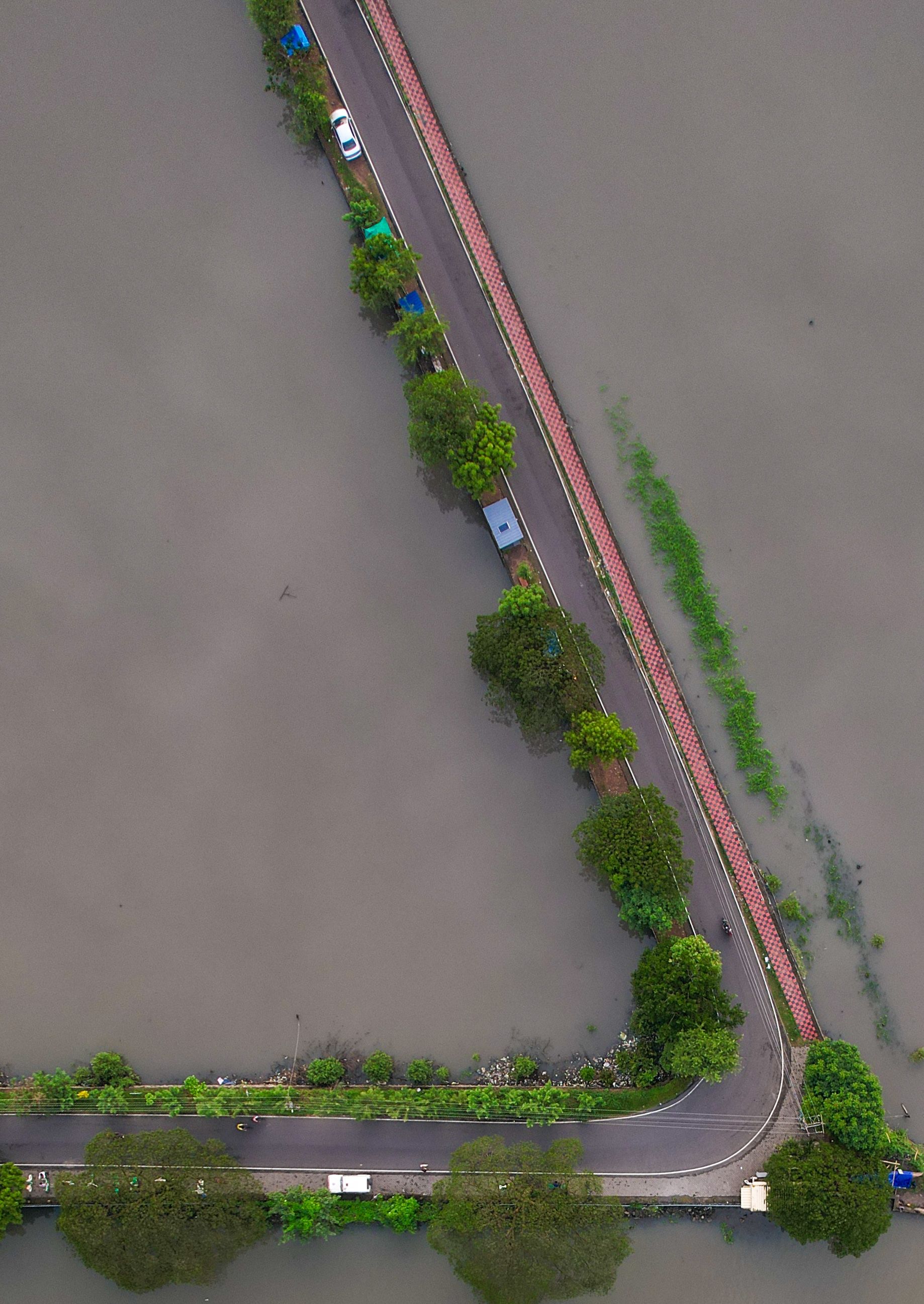
Hurricane Hazel Changed This Island — and the Risk Is Still Real
On October 15, 1954, Hurricane Hazel made landfall near the NC/SC border and effectively erased the western end of what was then Long Beach. The storm surge destroyed nearly every structure on the west side of the island. It remains one of the most destructive landfalls in North Carolina history, and it's still the clearest illustration of what Oak Island's flood exposure looks like at its worst.
That history matters when you're buying flood insurance. It's a reminder that surge events on this island aren't theoretical — they've happened, and the western sections are particularly vulnerable. We factor that context into the coverage conversations we have with Oak Island homeowners, whether you're buying a primary residence, a second home, or a vacation rental.
What Flood Insurance Actually Covers on Oak Island
Standard homeowners insurance does not cover flood damage. That's true whether your home is on the oceanfront, the canal side, or several blocks back from the water. Flood coverage must be purchased separately, and the right policy depends on your property's flood zone, elevation certificate, and the type of structure you're insuring.
Flood insurance on Oak Island typically addresses:
- Storm surge damage from Atlantic hurricanes and tropical systems
- Tidal flooding and overwash events along the oceanfront and canal-facing lots
- Freshwater flooding from heavy rainfall when drainage is overwhelmed
- Building structure and foundation damage from inundation
- Contents coverage for belongings inside the home
NFIP policies through FEMA provide a baseline, but private flood carriers often offer higher coverage limits, shorter waiting periods, and more flexible terms. As an independent agency, we compare both to find what fits your property.
East Beach vs. West Beach: What the Difference Means for Your Policy
East Beach homeowners generally benefit from higher ground elevations and more established dune systems, which can translate to lower flood zone designations and reduced NFIP premiums. If your elevation certificate shows your finished floor above the Base Flood Elevation, you may qualify for significantly lower rates than a comparable home closer to sea level.
West Beach properties face a different picture. Lower elevations, proximity to the inlet, and the historical storm surge record from Hazel forward mean that flood zone designations in this area tend to be more restrictive. That doesn't mean coverage is unavailable — it means getting the right policy matters more, and comparing carriers rather than defaulting to a single option can make a meaningful difference in both cost and coverage terms.
We can review your elevation certificate, identify your current flood zone, and walk you through what that means for your options — whether you're on the east end, the west end, or somewhere in the middle.
Serving Oak Island as Part of the Broader Brunswick County Coast
Oak Island sits within the larger Brunswick County coastal market we serve, and flood risk doesn't stop at the island's edge. If you own property elsewhere in the county — or you're comparing coverage across multiple locations — we can help with that too. We work with homeowners across the Brunswick County coast, including communities along the Intracoastal Waterway and inland areas where flood exposure is often underestimated.
Common Questions About Flood Insurance on Oak Island
Is flood insurance required for homes on Oak Island?
If your home is in a high-risk flood zone (typically Zone AE or VE) and you carry a federally backed mortgage, your lender will require flood insurance. Even if it isn't required, most Oak Island properties face meaningful flood exposure, and a standard homeowners policy won't cover storm surge or tidal flooding under any circumstances.What's the difference between NFIP flood insurance and private flood insurance?
NFIP policies are backed by FEMA and have standardized coverage limits — currently up to $250,000 for the building and $100,000 for contents. Private flood carriers can offer higher limits, broader coverage terms, and sometimes lower premiums depending on your property's risk profile. We compare both to find what makes sense for your home.My Oak Island home is on the canal side, not the oceanfront. Do I still need flood insurance?
Yes. Canal-facing and Intracoastal-adjacent properties on Oak Island carry real flood risk from tidal surge, storm-driven water intrusion, and rainfall events that overwhelm drainage. Being set back from the oceanfront does not remove flood exposure — in some cases, canal-side lots face sustained inundation risk that oceanfront dunes help deflect.How does an elevation certificate affect my flood insurance premium?
An elevation certificate documents the height of your home's lowest finished floor relative to the Base Flood Elevation for your zone. If your home sits above that elevation, your premium is typically lower. If it sits below, your premium reflects the added risk. Having a current elevation certificate is one of the most useful documents an Oak Island homeowner can have when shopping flood coverage.How long does it take for flood insurance to go into effect?
NFIP policies carry a standard 30-day waiting period before coverage begins, with limited exceptions for loan closings. Some private flood carriers offer shorter waiting periods. If hurricane season is approaching or you're closing on a property, timing your application matters — and we'll make sure you understand exactly when your coverage takes effect.
Get Flood Coverage Built for Your Part of Oak Island
Oak Island deserves more than a generic coastal flood quote. If you're on the west end near the inlet, the east end near Caswell Beach, or somewhere along the 14 miles in between, we'll look at your specific property, your flood zone, and your elevation before recommending anything. We're independent, we're local, and we've been working this coastline for more than 20 years.
Reach out by phone, email, or the contact form below — and we'll get started on coverage that actually fits where you live.