
Two Flood Threats, One Address — Understanding Your Actual Myrtle Beach Risk
Most Myrtle Beach property owners know hurricanes bring flooding. Fewer realize that the Waccamaw River system — which drains a massive inland watershed through Conway and into the Grand Strand — creates a separate and persistent flood exposure for properties that have never seen a wave.
Here's how the two risks differ in practice:
- Storm-surge flooding arrives with tropical systems and strong coastal storms. It moves fast, can reach well inland depending on storm track and intensity, and is the primary risk for oceanfront condos, beachside homes, and properties within a few blocks of the shoreline.
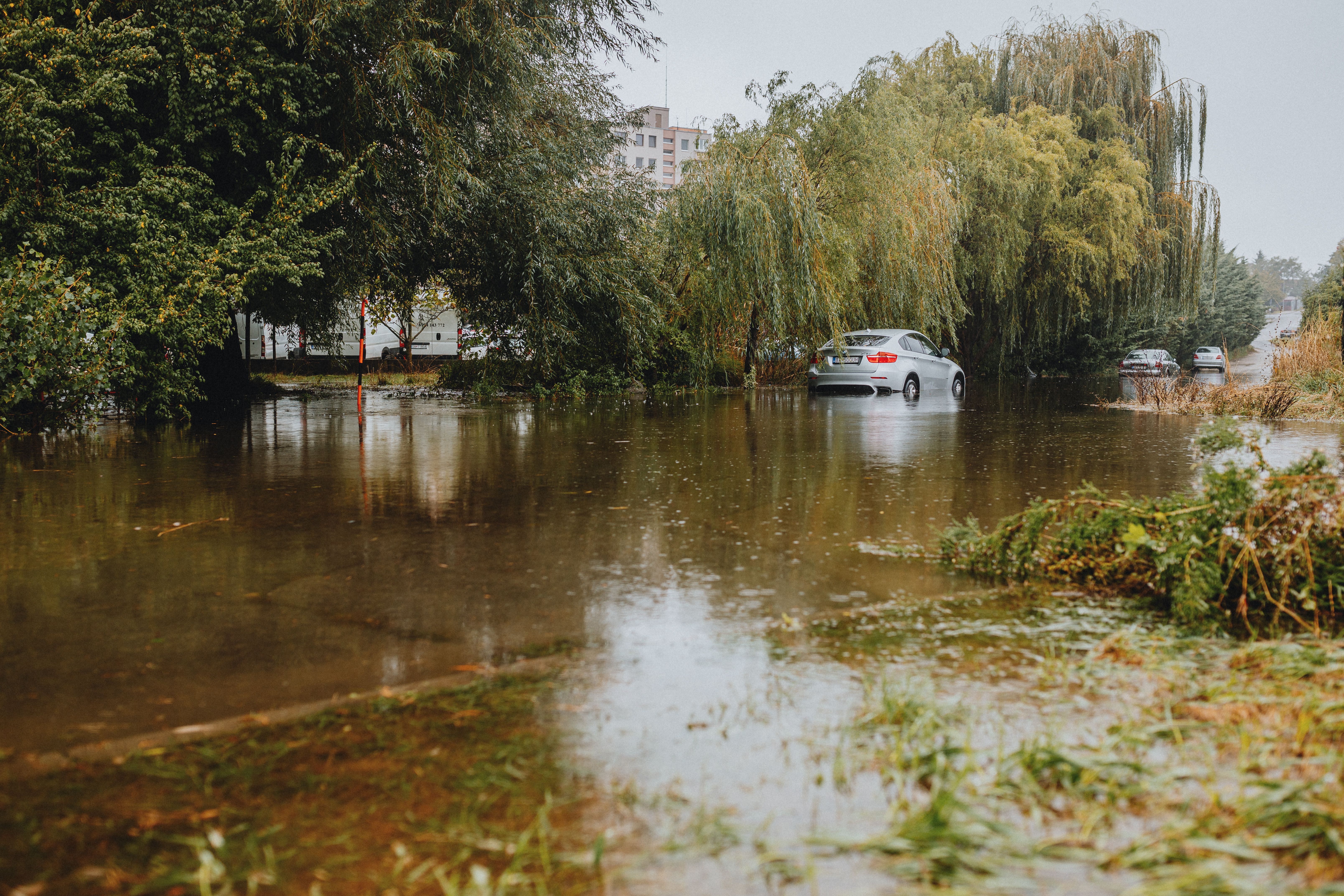
- Waccamaw River and inland flooding builds more slowly from prolonged rainfall, upstream runoff, and tidal backflow. It affects neighborhoods across a wide band of Horry County — including areas that FEMA flood maps may not fully reflect, particularly given how rapidly this region has developed.
- Both risk types are excluded from standard homeowners insurance. A homeowners policy does not cover flood damage from either source, regardless of what caused the water to enter the structure.
- Flood zone designations don't tell the whole story. Properties in Zone X (minimal-hazard designation) still flood in this region. The FEMA maps used to set those designations are frequently outdated relative to current development patterns and storm behavior.
Understanding which risk — or combination of risks — applies to your address is the first step. We help you work through that before recommending any coverage.
NFIP vs. Private Flood Insurance — What Myrtle Beach Property Owners Should Know
The National Flood Insurance Program is the most widely known flood insurance option, and for many properties in high-risk zones it remains the most accessible. But it's not always the best fit — and in a competitive coastal market like Myrtle Beach, private flood carriers have expanded significantly and often offer broader terms.
A few things worth understanding before you choose:
- NFIP coverage has set limits. The program caps building coverage at $250,000 and contents coverage at $100,000. For higher-value properties, oceanfront condos, or commercial structures, those limits may fall well short of actual replacement cost.
- Private flood insurance can offer higher limits, broader coverage, and faster claims. Some private carriers also include additional living expenses coverage, which the NFIP does not, and may offer lower premiums for properties with favorable elevation certificates.
- Condo unit owners have a specific coverage gap to address. An HOA or condo association master policy typically covers the building structure, but your individual unit — fixtures, flooring, built-ins, personal property — requires your own flood policy. This is one of the most common coverage gaps we see among Myrtle Beach condo owners.
- Waiting periods apply. NFIP policies carry a 30-day waiting period before coverage takes effect in most cases. Private flood carriers vary. If a named storm is already in the forecast, your options narrow significantly.
Because we work with both the NFIP and private flood markets, we can show you what each option looks like side by side for your specific property — not just quote whichever program the carrier we're contracted with happens to offer.
Flood Insurance for Oceanfront Condos in Myrtle Beach
Myrtle Beach has one of the highest concentrations of oceanfront and near-ocean condominiums on the East Coast, and flood insurance for a condo unit works differently than it does for a single-family home. Getting it right matters.
When you own a condo unit in Myrtle Beach, your flood exposure has two layers. The first is the building itself — the structure, the foundation, the common areas. That's typically covered under the association's master insurance policy, though the scope of that coverage varies significantly from one HOA to the next. The second layer is your unit: the walls in, your flooring, your kitchen and bath finishes, your personal property. That layer is your responsibility, and a standard condo owner's policy does not cover flood.
A standalone flood policy for your unit covers the interior improvements and your contents up to the limits you select. For owners of higher-finish units — renovated kitchens, custom tile, upgraded cabinetry — the contents and improvements limits matter more than most people realize until they're filing a claim after a surge event.
We work with condo owners across the Myrtle Beach strip and can help you understand what your association's master policy actually covers before recommending what you need to fill the gap.
Serving Myrtle Beach and the Surrounding Grand Strand
True Carolina Insurance Agency is based in Ocean Isle Beach, NC, and we serve property owners across both sides of the NC/SC state line — including the full length of the Grand Strand from Little River down through Myrtle Beach and into the southern stretches of Horry County.
We work with homeowners, condo owners, investors, and small business owners throughout this region. If you're in Myrtle Beach and have questions about your flood exposure, we're a local agency with real coastal experience — not a call center routing your zip code to whoever's available.
Neighbors in North Myrtle Beach and throughout Horry County will find the same independent guidance available for their properties as well.
Flood Insurance Questions from Myrtle Beach Property Owners
Does my homeowners insurance cover flood damage in Myrtle Beach?
No. Standard homeowners insurance policies exclude flood damage regardless of the cause — storm surge, river overflow, or heavy rainfall. Flood coverage requires a separate policy, either through the National Flood Insurance Program or a private flood carrier. This applies to homes, condos, and rental properties alike.I own an oceanfront condo in Myrtle Beach. Do I need my own flood policy if the HOA has insurance?
Yes, in most cases. The association's master policy covers the building structure and common areas, but your individual unit — interior finishes, flooring, fixtures, and personal property — is typically your responsibility. A separate flood policy for your unit covers the improvements inside your walls and your contents up to the limits you choose.My property isn't in a high-risk flood zone. Do I still need flood insurance in Myrtle Beach?
It's worth taking seriously even if your flood zone designation is low to moderate risk. A significant share of flood claims in this region come from properties outside designated high-risk zones, and Horry County's rapid development has outpaced the FEMA map updates in some areas. Flood insurance is available regardless of your zone, and the premium for a lower-risk property is often more manageable than people expect.What's the difference between NFIP flood insurance and private flood insurance?
The NFIP is a federally backed program with standardized coverage and set limits — $250,000 for the structure and $100,000 for contents. Private flood insurance is offered through independent carriers and can provide higher limits, broader coverage terms, and in some cases lower premiums for properties with favorable elevation. We compare both options for every client rather than defaulting to one program.How long does it take for flood insurance to go into effect in Myrtle Beach?
NFIP policies typically carry a 30-day waiting period before coverage activates, with limited exceptions. Private flood carriers vary — some offer shorter waiting periods. If a storm is already forming in the Atlantic, coverage options become very limited very quickly. The right time to review your flood insurance is before hurricane season, not during it.
Independent Flood Guidance for Myrtle Beach's Most Competitive Insurance Market
Myrtle Beach draws more insurance marketing attention than almost any other coastal market in the Carolinas, which means property owners here see more flood insurance advertising — and less straightforward guidance — than most. We built True Carolina Insurance Agency as an independent alternative to that noise.
We compare coverage across 40+ carriers, hold no obligations to any single company, and bring 20+ years of coastal Carolina experience to every conversation. Whether you own an oceanfront condo on Ocean Boulevard, a home in a Waccamaw-adjacent neighborhood, or a rental property somewhere in between, we'll help you understand your actual flood risk and find coverage that fits — without the sales pressure or the generic answers.