
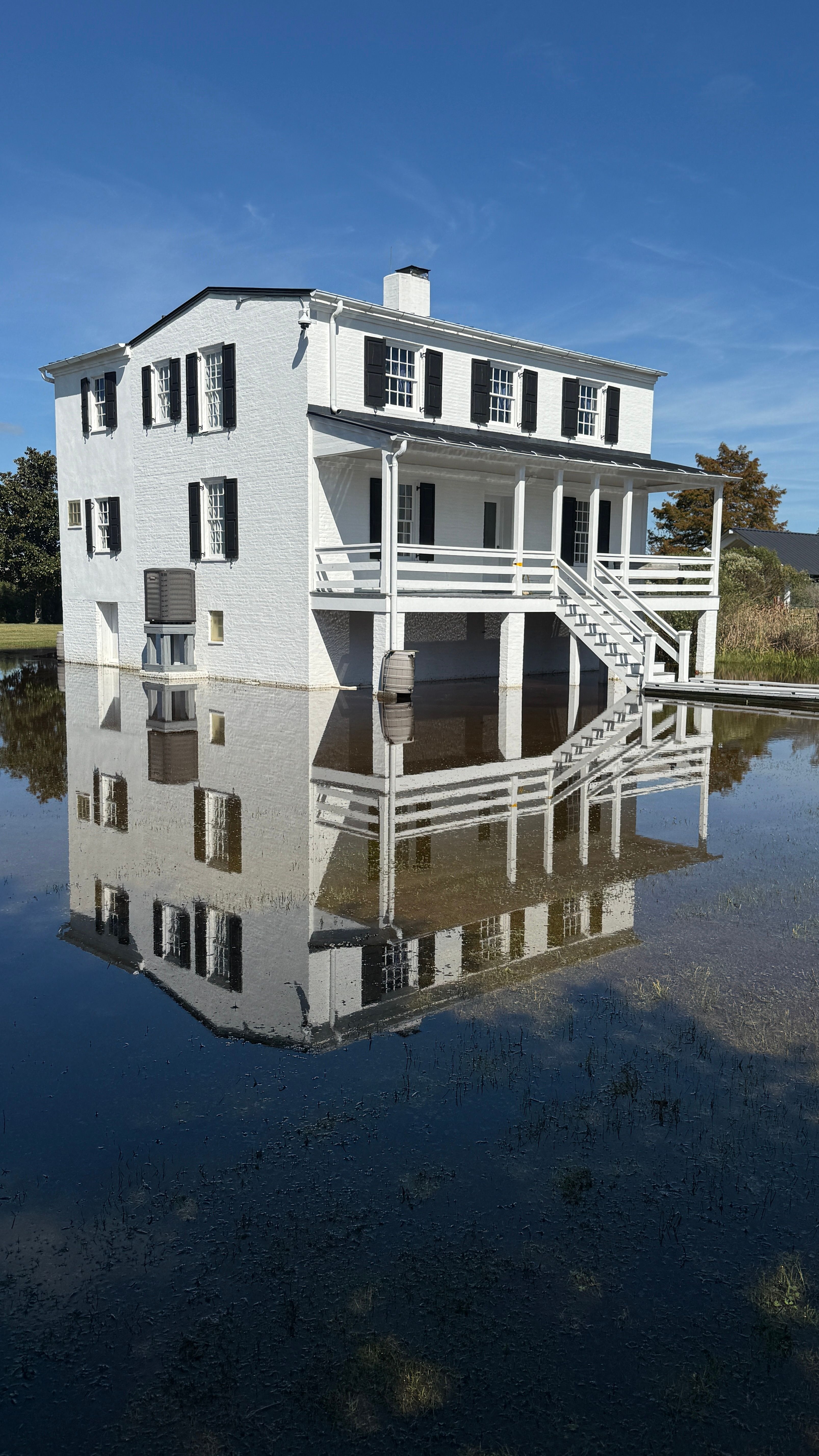
What Flood Coverage Looks Like for Waterfront Properties Here
Most residential flood policies in this area are written through the National Flood Insurance Program (NFIP), which provides up to $250,000 in building coverage and $100,000 for contents. For many Little River homeowners, that's a reasonable starting point — but waterfront and marina-adjacent properties often carry replacement values and contents exposure that exceed those limits. Private flood insurance carriers have expanded their presence in coastal South Carolina and can offer higher limits, broader coverage terms, and in some cases more competitive pricing than the NFIP alone. As an independent agency, we compare options across 40+ carriers to find the right fit for your property rather than defaulting to a single program.
How We Help You Understand Your Flood Zone Before You Assume Anything
One of the most common situations we see is a property owner who assumes they're not in a flood zone — or who bought a property without fully understanding what their flood zone designation means for their coverage requirements and costs. FEMA flood maps are updated periodically, and properties near the Intracoastal and its tidal tributaries can fall into higher-risk zones than their owners expect. We walk through your specific address, your current flood map designation, and what that means practically before we talk about policy options. Know your flood zone before you assume you don't need coverage.
Little River Deserves Flood Guidance That Knows Its Character
Little River doesn't get the same attention as Myrtle Beach or North Myrtle Beach, but the flood exposure here is no less real — and in some ways it's more nuanced. The working waterfront, the shrimp boats, the marina slips, the fishing-charter docks — these aren't just local color. They're part of a waterfront economy that shapes how properties sit relative to the water and how flood events move through the area. We serve Little River as part of our Horry County coverage area, and we bring the same local knowledge to waterway-adjacent properties here that we bring to every community we work in.
Inland properties in the Calabash Road and Highway 17 corridors also carry flood exposure from creek systems and drainage infrastructure that can overwhelm during heavy rain events. Flood risk in Little River isn't limited to the marina neighborhood.
Other Coverage Worth Considering If You're on the Water
If your property is near the marina or the Intracoastal, flood insurance is typically the most urgent coverage gap to address — but it's rarely the only one. Homeowners insurance policies exclude flood damage by definition, so the two policies work together rather than overlapping. If you own a boat kept at a marina slip or moored near your property, a separate boat and watercraft policy covers physical damage and liability that neither your homeowners nor your flood policy addresses. We can review your full coverage picture across all three and identify where the gaps are before a storm makes them visible.
Flood Insurance Questions We Hear from Little River Property Owners
Do I need flood insurance if my Little River property isn't in a high-risk flood zone?
Flood zone designation affects whether your lender requires coverage, but it doesn't tell the whole story about your actual risk. More than 20% of NFIP flood claims come from properties outside designated high-risk zones. Properties near Little River's tidal creeks and Intracoastal tributaries can flood from waterway backflow and heavy rainfall regardless of their official zone. We can review your specific address and help you weigh the cost of coverage against the real exposure.What's the difference between NFIP flood insurance and private flood insurance?
The NFIP is a federal program that provides standardized flood coverage up to $250,000 for the structure and $100,000 for contents. Private flood insurance is offered by commercial carriers and can provide higher limits, broader terms, and sometimes lower premiums for properties that price favorably in the private market. Some waterfront properties in Little River are better served by a private policy, others by the NFIP, and some by a combination. We compare both options before recommending anything.How does coastal flood insurance work for a waterfront property in Little River, SC?
Coastal flood insurance for a waterfront property typically covers direct flood damage to the structure and its contents caused by rising water — whether from storm surge, tidal flooding, or Intracoastal overflow. It does not cover wind damage, which is addressed by your homeowners policy. For marina-adjacent and waterway-fronting properties, the policy should reflect the property's elevation, its proximity to the waterway, and any prior loss history in the area. We walk through all of those factors when building your coverage.Will my homeowners insurance cover flood damage from the Intracoastal?
No. Standard homeowners insurance policies explicitly exclude flood damage, including water that enters your home from rising ground water, storm surge, or waterway overflow. Flood damage requires a separate flood insurance policy, whether through the NFIP or a private carrier. This exclusion applies regardless of the source of the flooding — ocean, river, creek, or Intracoastal Waterway.How long does it take for flood insurance to go into effect after I buy it?
NFIP flood policies carry a standard 30-day waiting period before coverage takes effect, with limited exceptions for loan closings and policy renewals. Private flood carriers vary — some offer shorter waiting periods. This is one of the most important reasons not to wait until a storm is in the forecast to think about flood coverage. If you're currently uninsured or underinsured for flood, the time to address it is before you need it.
We're Local, Independent, and Here When the Weather Gets Severe
True Carolina Insurance Agency is based in Ocean Isle Beach and serves property owners across Brunswick County, NC and Horry County, SC — including the full Little River area. We're independent, which means we work for you rather than for any single carrier. With 20+ years of insurance experience and deep familiarity with the flood geography on both sides of the state line, we help waterfront and coastal property owners find coverage that reflects their actual exposure. Reach out by phone, email, or our contact form — we're straightforward to work with and quick to respond.