
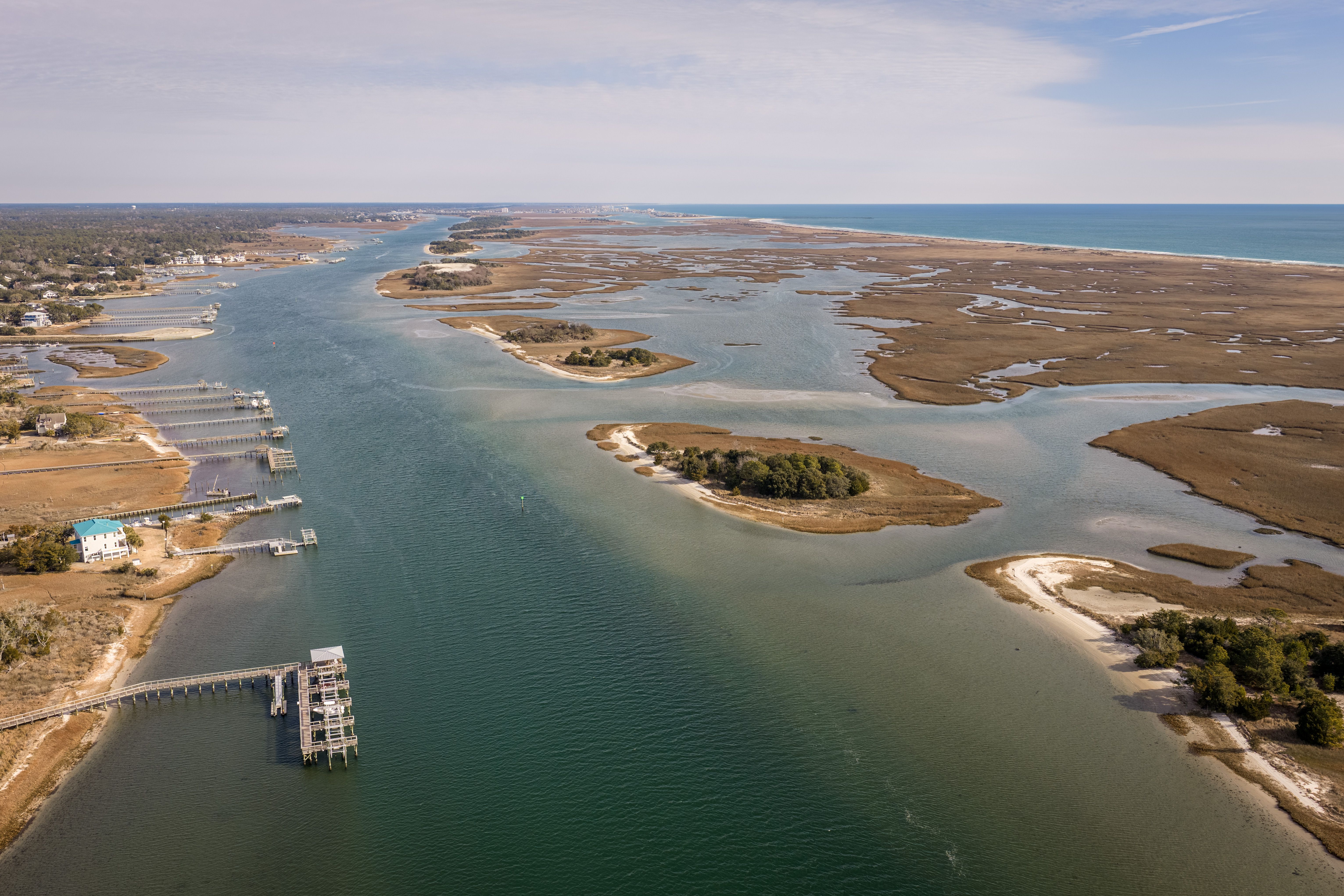
Conway Has Flooded Before — And the River Doesn't Warn You First
The flooding history here isn't hypothetical. Conway has experienced repeated, serious flood events driven by the Waccamaw River, and each one caught residents off guard who assumed their distance from the coast meant they were safe.
- Hurricane Matthew (2016): Rainfall totals sent the Waccamaw well above flood stage, inundating streets and homes across Conway for days after the storm passed.
- Hurricane Florence (2018): Florence produced catastrophic and prolonged flooding across Horry County. Conway saw some of the worst of it — the Waccamaw crested at historic levels and remained above flood stage for weeks, damaging hundreds of properties.
- Tropical Storm Debby remnants (2024): Even a weakened, post-tropical system dropped enough rainfall to push the Waccamaw back into flood stage and renew concerns for low-lying Conway neighborhoods.
Three significant flood events in eight years isn't a streak of bad luck. It's a pattern that reflects how Conway's geography and the river's behavior interact during major rain events.
Does Your Neighborhood Flood? What Conway Residents Should Know
FEMA flood zone designations cover much of Conway, and a meaningful portion of the city falls within Special Flood Hazard Areas — the zones where federally backed mortgage lenders require flood insurance. But flood zone maps don't capture everything. Properties just outside a mapped high-risk zone have flooded repeatedly during the events listed above, and the maps themselves are periodically updated as development patterns and storm data change.
If you're unsure whether your home is in a mapped flood zone, or if you bought your home before the most recent map revision, it's worth a conversation before the next named storm forms in the Atlantic. We can help you look up your property's current flood zone designation and walk through what that means for your coverage options.
What Flood Insurance Actually Covers
Flood insurance is a standalone policy — separate from your homeowners insurance — and it's designed specifically for water damage caused by flooding. Here's what a flood policy typically covers for Conway homeowners:
- Building coverage: The physical structure of your home, including foundation, electrical and plumbing systems, HVAC equipment, built-in appliances, and permanent flooring.
- Contents coverage: Personal belongings including furniture, electronics, clothing, and valuables (subject to limits and optional add-ons depending on the policy).
- Detached structures: Coverage for garages and outbuildings varies by policy — worth reviewing if you have a workshop or storage building on your property.
What flood insurance does not cover: temporary housing costs while your home is being repaired, landscaping, vehicles (those fall under auto insurance), or damage caused by moisture or mold that isn't directly tied to a flood event. We'll walk you through exactly what a given policy includes before you commit to it.
NFIP vs. Private Flood Insurance — Which Is Right for You?
Most Conway homeowners have two primary paths for flood coverage: the National Flood Insurance Program (NFIP), administered through FEMA, and private flood insurance carriers. Both have a place depending on your property's location, flood zone, and risk profile.
The NFIP offers standardized coverage with federally set rates and is the most common option for properties in high-risk zones where lender-required coverage is mandatory. Private flood insurance has expanded significantly in recent years and can offer higher coverage limits, broader terms, and in some cases lower premiums than NFIP — particularly for properties in moderate-risk zones. As an independent agency, we compare options across both channels rather than defaulting to one. The right answer depends on your specific property, not a one-size-fits-all recommendation.
Why Conway Residents Work With True Carolina Insurance
Does Conway, SC flood regularly?
Yes. The Waccamaw River has caused significant flooding in Conway during Hurricane Matthew in 2016, Hurricane Florence in 2018, and again during the remnants of Tropical Storm Debby in 2024. Conway's flood risk is driven by river overflow rather than coastal surge, and it affects neighborhoods well inland from the water's edge.Do I need flood insurance if I'm not in a high-risk flood zone?
Not legally — but it's worth considering. FEMA data shows that roughly 25% of flood insurance claims come from properties outside designated high-risk zones. In Conway, where the Waccamaw River can rise quickly during heavy rain events, moderate-risk properties have flooded repeatedly during recent storms.Does my homeowners insurance cover river flooding?
No. Standard homeowners insurance policies exclude flood damage, regardless of the source — coastal surge, river overflow, or stormwater runoff. Flood damage requires a separate flood insurance policy, either through the NFIP or a private carrier.How long does it take for flood insurance to go into effect?
NFIP policies typically carry a 30-day waiting period before coverage takes effect, with limited exceptions. Private flood policies vary by carrier but often have shorter waiting periods. This is one reason to get coverage in place well before hurricane season — not after a storm is already named.How much does flood insurance cost in Conway, SC?
Premiums depend on your property's flood zone, elevation, age of construction, and the coverage limits you choose. NFIP rates are set by FEMA's Risk Rating 2.0 methodology, which prices each property based on its individual flood risk. Private market rates vary by carrier. The best way to get an accurate number is to have us run a comparison for your specific address.
Get Flood Insurance Coverage for Your Conway Home
We're an independent agency based in Ocean Isle Beach, and we serve both sides of the NC/SC state line — including Conway and Horry County. That means we understand the local flood landscape, the specific storm history of this region, and the way river-driven flood risk differs from what most coastal insurance marketing describes.
We compare flood coverage across 40+ carriers, including NFIP-backed options and private flood markets, and we don't have a financial incentive to steer you toward any one of them. Our job is to find the coverage that fits your property and your budget. With more than 20 years of insurance experience in this region, we've helped a lot of Conway-area homeowners who came to us after a flood event wishing they'd had this conversation sooner.
For Conway homeowners who also want to review their homeowners coverage at the same time, we can look at both together.
The Waccamaw River is part of what makes Conway a beautiful place to live. It's also a real flood risk — one that's played out three times in the last decade. If you haven't reviewed your flood coverage recently, or if you've never had a policy at all, now is the right time to take a look.
Reach out and we'll pull together flood insurance options specific to your Conway property, walk you through what each one covers, and help you make a decision that fits your situation.